
Advancements in Fecal Recognition Technology Raise Privacy and Subscription Concerns
Advancements in optical and olfactory biometric sensors are bringing specialized security features to residential plumbing systems.
By WKNA 49 Newsroom • June 25, 2026 • WKNA 49 News
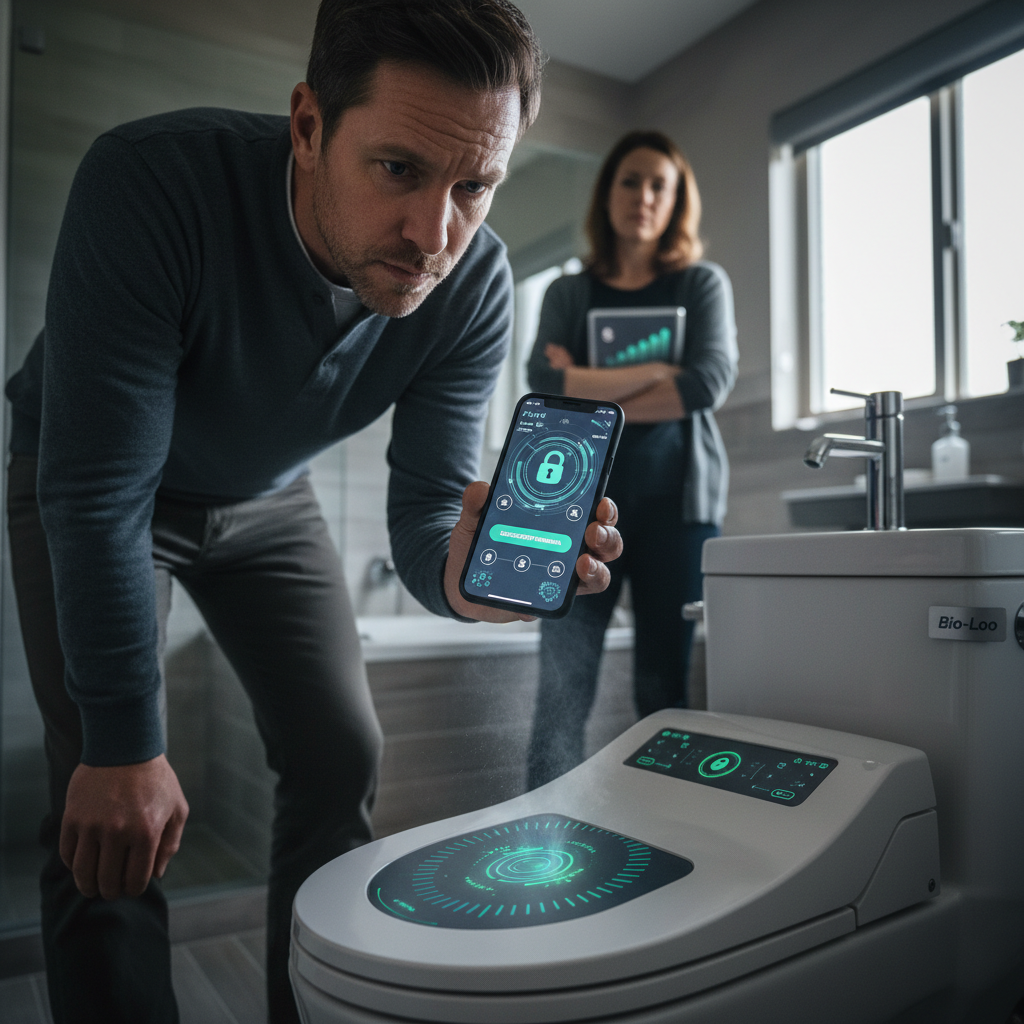
The landscape of domestic biometrics is shifting as fecal recognition technology moves from specialized biological research into the residential consumer market. Once limited to identifying specific animal species in the wild, the technology has evolved into a sophisticated suite of optical and olfactory sensors designed for private installation.
Industry observers note that while early iterations of the hardware were primitive, often struggling to differentiate between simple biological markers, modern units can now provide high-fidelity data. These sensors, often integrated directly into household fixtures, connect to mobile device applications to allow for highly specific user profiles. Homeowners are increasingly utilizing these systems to monitor unauthorized use of private facilities or to track specific health-related volume and odor thresholds.
However, the move toward biometric sanitation has not been without controversy. Several community members have raised concerns regarding the shift toward software-as-a-service models. Experts familiar with the systems indicate that many manufacturers now require monthly subscription fees to access user databases and configuration settings. Without these paid licenses, the hardware often provides only basic functionality, leading some to describe the business model as predatory toward early adopters.
Digital privacy remains a primary concern for those integrating these sensors into their homes. While proponents suggest the technology offers a new layer of personal security and health monitoring, others point to the potential for data misuse. Questions have also surfaced regarding the legality of modifying hardware, particularly in cases where consumers have purchased a license to use a device rather than owning the physical unit outright. This has led to a growing debate over digital rights management in the most private areas of the home.
Technological hurdles also remain as the infrastructure supporting these high-tech systems catches up. Reports indicate that some rural users have struggled with the high energy demands of the specialized routers required to transmit biometric data, with some residents citing the need for unconventional power solutions to maintain a stable internet connection for their devices.
Despite the complexities, the field continues to expand following previous high-profile incidents that highlighted the potential utility of early-stage detection. For now, analysts suggest that while the technology is rapidly maturing, consumers should remain vigilant about the terms of service and data sharing agreements before installing biometric sensors in their personal residences.
Have a news tip? Send it to the WKNA 49 newsroom.