
Advancements in 'Scrapcycling' Technology Unveiled in Industrial Sector
A new generation of industrial printers is reportedly able to convert scrap material directly into usable metal objects.
By WKNA 49 Newsroom • August 8, 2026 • WKNA 49 News
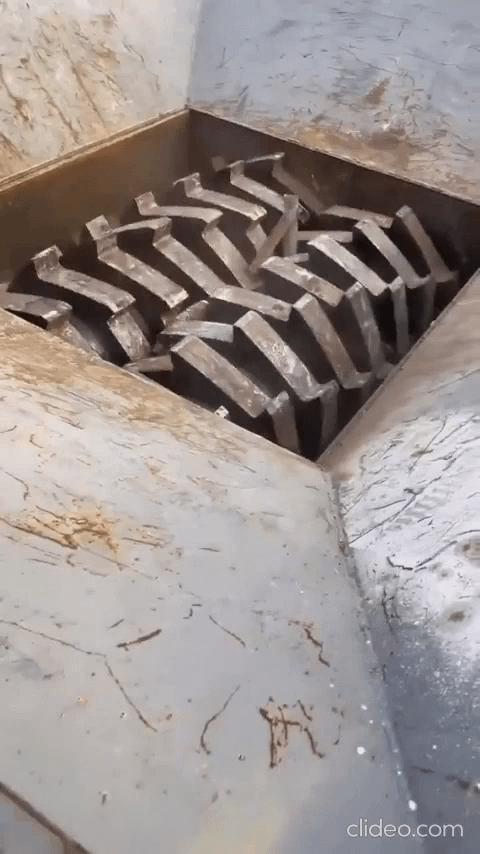
A new era of industrial manufacturing may be on the horizon as developers showcase what they describe as the most advanced 3D printing technology to date. The system utilizes a process known in the industry as "scrapcycling," which bypasses traditional refining methods to produce finished goods directly from raw detritus.
According to accounts provided to WKNA 49, the technology is designed to take existing scrap metal and immediately reconfigure it into functional objects. While early prototypes have been described by some observers as having a "rustic" or "vintage" aesthetic, proponents say the efficiency of the closed-loop system is the true breakthrough.
Industry observer Jeremy Thorton described the hardware as a significant step forward in sustainable production. Thorton indicated that the goal is to create a seamless cycle where metal products can be printed, used, and then returned to the facility to be broken down and re-printed without creating significant waste.
Some early accounts of the machinery suggested it could produce a wide variety of items, ranging from household appliances to recreational equipment like tricycles. While the initial output has a pre-weathered appearance that some have compared to "scrap," developers maintain that the structural integrity of the printed metal is sound.
"It essentially allows for the creation of pre-rusted or industrial-style items that appeal to a certain market," said one source familiar with the project. "What was once viewed as junk is now being positioned as a high-value industrial output."
Despite the enthusiasm from some sectors, others remain cautious. Questions have been raised regarding the cost of the units and whether the process is truly an advancement or simply a high-tech version of existing recycling methods. Some observers even questioned if the process was being presented in reverse, though developers insist the printing capability is the primary function.
As the technology moves toward potential commercial release, rumors have already begun to circulate regarding interest from major retailers. For now, the hardware remains in the industrial testing phase as engineers work to refine the final look of the printed objects.
Have a news tip? Send it to the WKNA 49 newsroom.