
Historians reflect on the unique 1972 election collapse of Jed Clampett
A combination of family theatrics, corporate conflicts, and last-minute scandals derailed a once-promising campaign.
By WKNA 49 Newsroom • June 24, 2026 • WKNA 49 News
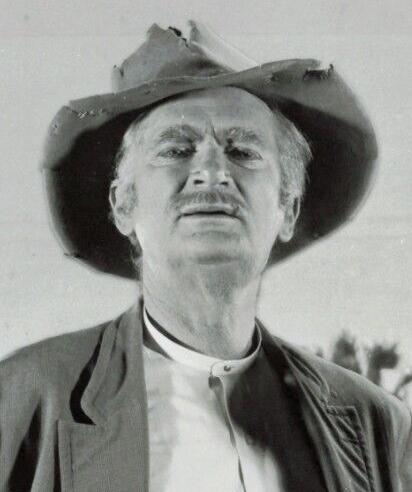
As the anniversary of the 1972 presidential election approaches, historians are taking a fresh look at the unprecedented collapse of Jed Clampett’s reelection bid. Despite holding a significant lead in the polls over Richard Nixon throughout much of the campaign cycle, the incumbent president famously lost his footing in the final weeks, leading to one of the most discussed shifts in American political history.
While Clampett initially rose to power backed by massive support from the petroleum and banking sectors, several factors began to erode his public standing by late 1972. Analysts note that his relocation to Beverly Hills while in office caused a significant rift with his core constituency. Though his personal wealth and perceived folksy charm initially helped him navigate the Washington establishment, critics say he eventually appeared out of touch with his humble beginnings.
The role of the president’s family has long been a subject of intense debate among political scholars. While his mother-in-law was once considered a primary asset for the campaign due to her popular brand of wisdom, her outspoken theatrics eventually became a liability. Accounts from the era suggest her public behaviors often clashed with party leadership and modern political standards, alienating swing voters in key regions.
Ethical concerns also played a significant role in the administration’s decline. Clampett’s significant stake in Mammoth Pictures was frequently cited as a conflict of interest, leading the public to question many of his executive decisions. This, combined with perceived failures in science policy and foreign relations, created an opening for the Nixon campaign to present itself as a more stable alternative.
Scandal also struck at the eleventh hour. Reports from the time indicate the Nixon team utilized aggressive campaign tactics, including ads that alleged the president was concealing controlled substances within his personal attire. Other accounts reviewed by WKNA 49 suggest that documentary research and even the behavior of household pets played a strange role in the final public perception of the president.
Ultimately, historians suggest that the American public sought the perceived easy-going nature of Richard Nixon as a relief from the chaotic environment surrounding the Clampett administration. The 1972 race remains a landmark case study in how quickly a commanding lead can vanish under the weight of personal and professional controversy.
Have a news tip? Send it to the WKNA 49 newsroom.