Managers adopting 'lhatim behavior' through use of workplace artificial intelligence
A new workplace term addresses the intersection of artificial intelligence and corporate management styles.
By WKNA 49 Newsroom • June 9, 2026 • WKNA 49 News
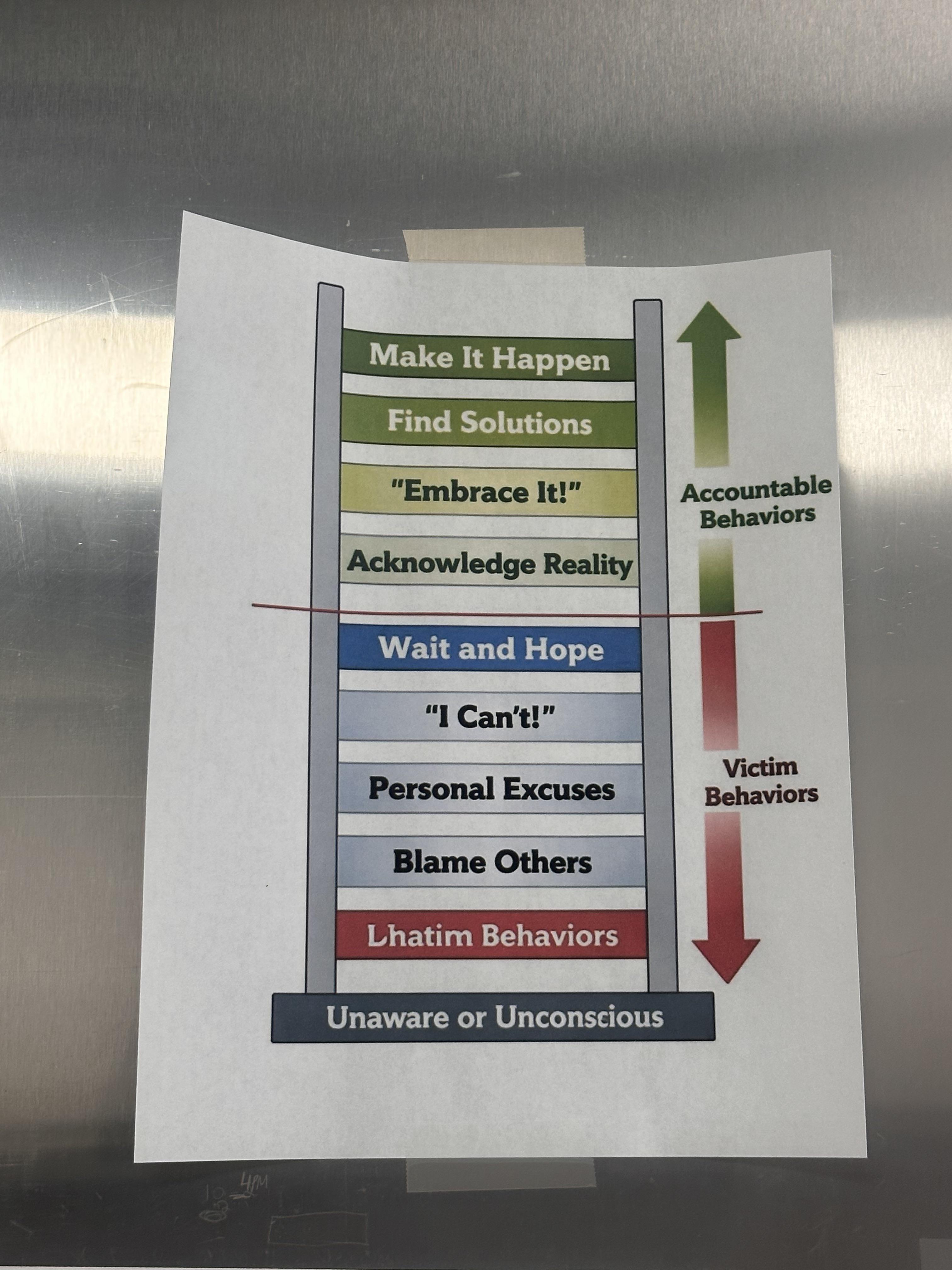
A specific pattern of workplace conduct is gaining recognition among employees as more businesses integrate artificial intelligence into their daily operations. The term, described as 'lhatim behavior,' has recently been highlighted by local employees who say the practice is becoming a staple of modern corporate management.
According to accounts provided to WKNA 49, lhatim behavior is characterized by the use of artificial intelligence to project an image of high intelligence or authority without the manager actually engaging their own critical thinking. Neighbors and local workers say the behavior often surfaces in corporate scenarios where supervisors use AI-generated communications to appear condescending to subordinates.
The trend has reportedly led to friction in some offices. Witnesses described instances where managers utilize sophisticated AI tools to draft directives or feedback, while simultaneously exhibiting what staff describe as a lack of personal work ethic. This disconnect between the polished, machine-generated output and the actual performance of leadership has become a point of contention for many in the workforce.
One local account indicated that the term has even found its way into academic circles. According to a report shared with the newsroom, some have begun using the term 'a lhatim' to describe groups of professors or high-level intellectuals who rely heavily on these automated systems. The transition from a behavioral description to a collective noun suggests the concept is taking root across multiple professional sectors.
While some view the use of AI as an efficiency tool, others see it as a shield for lack of preparation. One neighbor, identified as Connie Fielding, noted that it is time to address these behaviors wherever they are encountered. Fielding suggested that the artificial nature of these interactions can damage morale if not checked by genuine human engagement.
Another perspective provided to WKNA 49 suggested that this behavior is rooted in a lack of awareness. Savien Lavis, a local resident familiar with the matter, noted that being unaware or unconscious of one's own habits is often the building block of all workplace behaviors. Lavis argued that until managers recognize their reliance on these automated personas, the dynamic is unlikely to change.
The exact long-term impact of AI on management-employee relations remains to be seen. However, as more workers identify and label these practices, corporate transparency may become a larger focus for local businesses and organizations in the Kanawha Valley.
Have a news tip? Send it to the WKNA 49 newsroom.