
Regional Conservationists Observe Early Nesting Activity in Native Hotdog Populations
A recent account provides a unique look into the life cycle of one of the region's most unusual seasonal inhabitants.
By WKNA 49 Newsroom • August 11, 2026 • WKNA 49 News
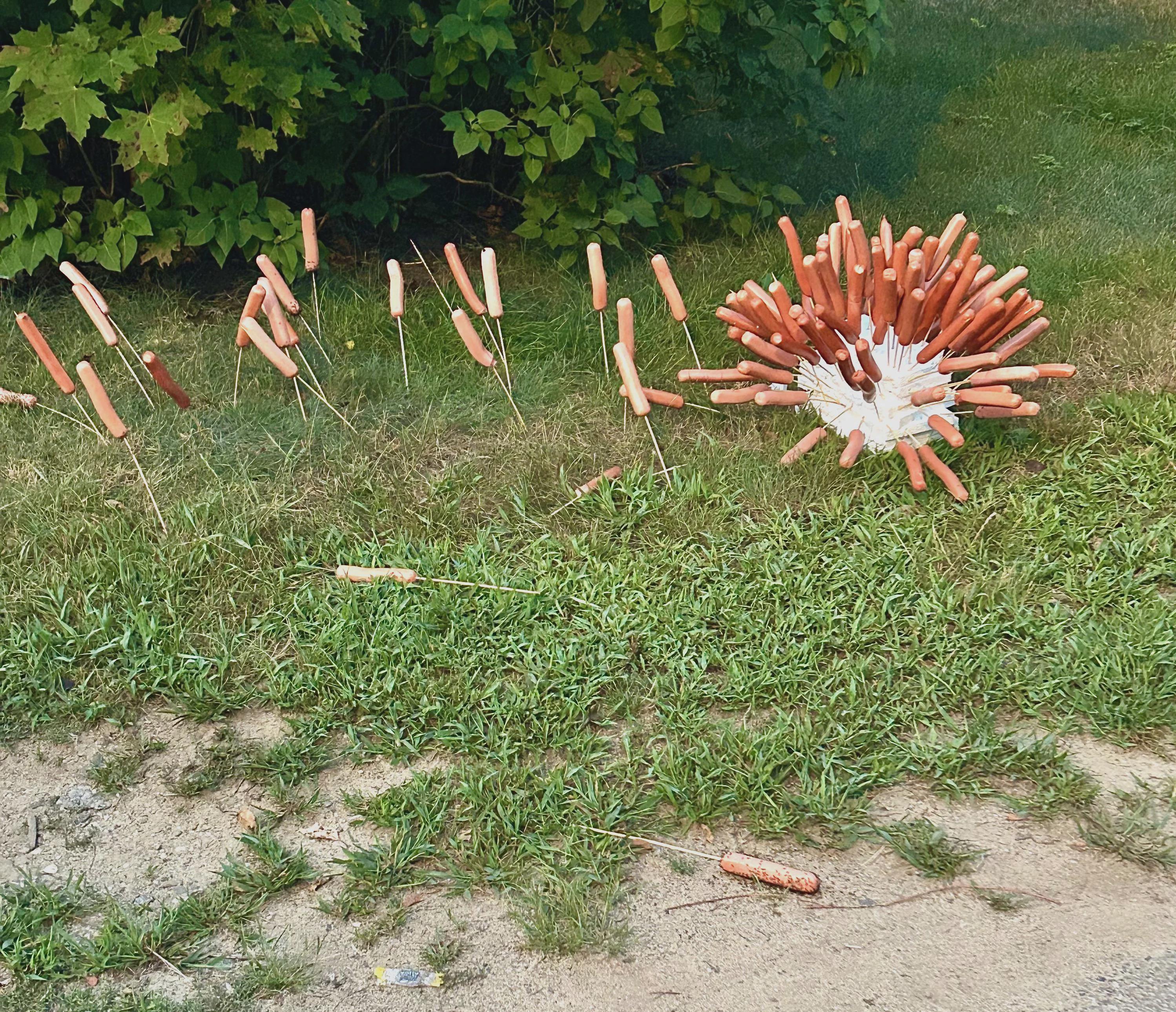
Conservationists and local nature enthusiasts are closely monitoring what appears to be an active nesting ground for the North American hotdog, following new accounts provided to WKNA 49 News. The sightings, documented in a quiet grassy clearing, provide a rare glimpse into the early stages of the species’ reproductive cycle.
According to accounts reviewed by WKNA 49, the nesting site features several individual specimens carefully positioned on upright stalks. Observers described a primary nesting structure consisting of a dense, radial cluster of hotdogs, which researchers believe serves as the central hub for the colony’s seasonal activity.
The North American hotdog has long been a subject of fascination for those who track its migrations through the Kanawha Valley and the greater Appalachian region. While often associated with backyard gatherings and sporting events, their behavior in the wild remains largely unrecorded by the general public. The latest findings suggest that the current environmental conditions have been particularly favorable for these distinctive clusters to form.
One account described the scene as a remarkable example of natural architecture. Neighbors who have passed near similar clearings in the past noted that while the sightings are infrequent, they tend to occur when temperatures remain consistent and human activity is minimal. The specific positioning of the hotdogs on thin, wooden supports is thought to be a defensive mechanism to keep the specimens clear of ground-level moisture and small scavengers.
Environmental officials have not issued a formal statement regarding the specific location of the nesting site to protect the integrity of the habitat. However, community members are encouraged to keep a respectful distance if they encounter a similar formation in their own neighborhoods. Experts suggest that disrupting a nest during this critical stage could lead to a premature termination of the season’s growth.
While the exact lifespan of a wild hotdog colony is not immediately clear, previous seasonal data indicates that they are highly susceptible to changes in humidity and the arrival of local predatory species. WKNA 49 could not independently verify the long-term viability of this specific cluster, but wildlife advocates say the documentation serves as a reminder of the unexpected diversity found in the local ecosystem.
For now, the colony remains a point of interest for those dedicated to preserving the unique natural heritage of the region. Local accounts suggest that as the season progresses, these nesting grounds may become more frequent, providing further opportunities for study and observation in the wild.
Have a news tip? Send it to the WKNA 49 newsroom.